



Embedding respect for human rights into how business gets done /
Building a fairer economic system in which everyone can thrive /
The leading center of expertise on the UN Guiding Principles on Business and Human Rights /
Shaping the rules, incentives and practices that matter most /
 Who we are
Shift is a non-profit working globally to embed respect
for human rights into business and build a
fairer economic system /
Our work spans three interconnected areas that are pivotal to embedding respect for human rights into how business gets done:
Standards /
We influence the rules that govern how business gets done. We work with governments, standard setters and intergovernmental organizations to ensure consistent expectations for business conduct that reflect the UNGPs.
Business
Engagement /
We equip companies to embed respect for people into strategy and practice. We advise companies across sectors and geographies to implement effective due diligence, meet growing legal requirements and build resilient value chains.
Financial
Institutions /
We engage the power of markets to incentivize respect for human rights. We work with investors and lenders to build financial incentives for businesses to address material impacts on people.
Our Expertise /
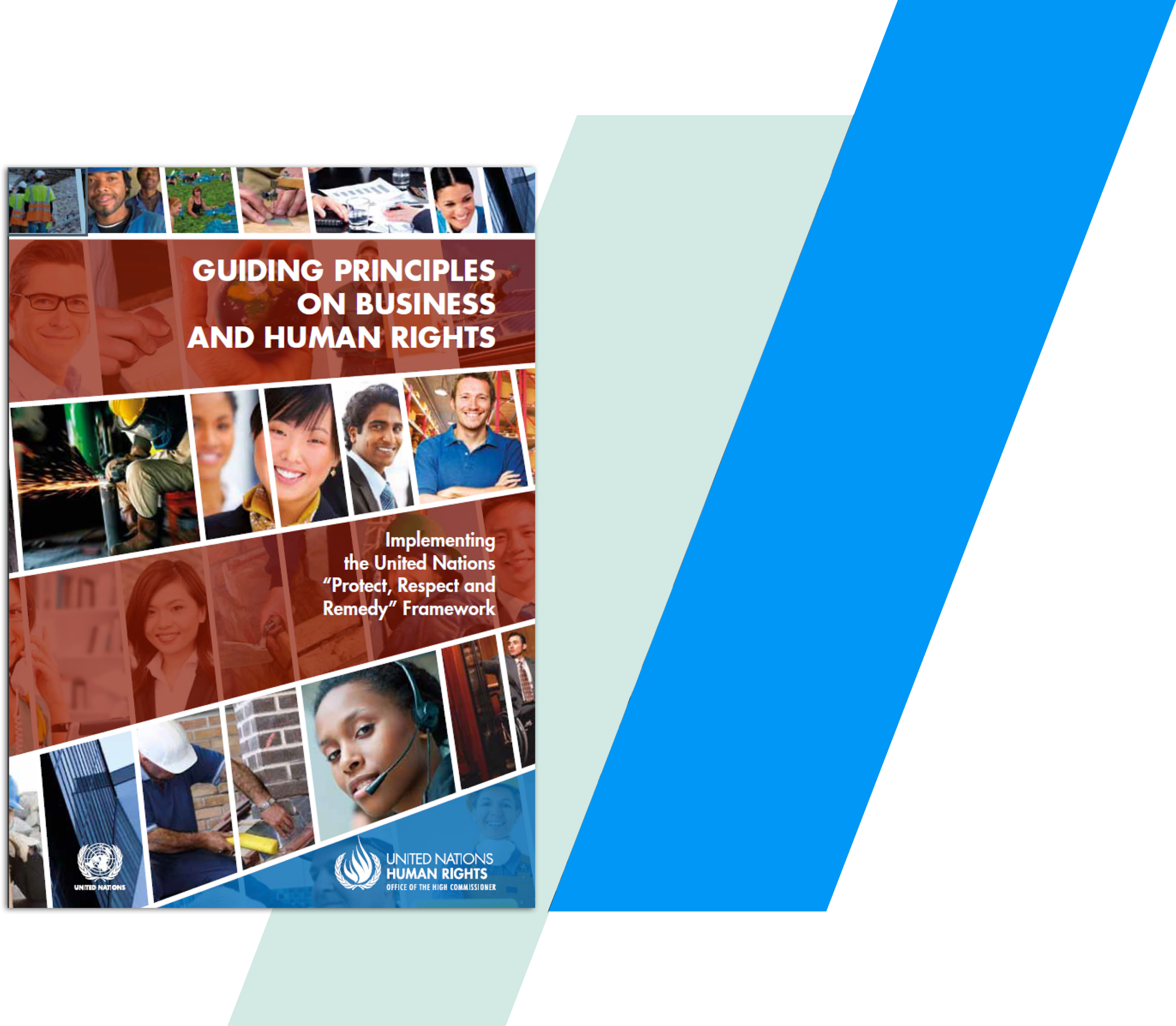
As the world’s leading center of expertise on the UN Guiding Principles on Business and Human Rights (UNGPs), we combine deep subject-matter expertise with extensive skills in facilitation, consensus building and strategic advisory work. Drawing on backgrounds across government, law, business, finance, trade unions and civil society, our team helps organizations navigate complex challenges and advance respect for human rights in practice.
Our Impact /
For over 15 years, Shift has been at the forefront of advancing business respect for human rights around the world. From early foundations to today’s evolving landscape, our work has consistently driven meaningful, real-world change – quietly but powerfully contributing to better outcomes for people across global value chains.
Featured Content /

Responsible Contracting: From Policing to Partnership
Contracts are a key tool to support effective human rights due diligence in increasingly complex global supply chains.

Quality of community engagement on nature-related issues has significant financial consequences for companies
Report finds evidence linking inadequate engagement with Indigenous Peoples and local communities to operational disruption, legal action, financing risks and billions of dollars in losses
Shift letter urges European Commission to drop proposed asset manager exemption from ESRS
Shift has published an open letter calling for the European Commission to drop a proposal that would exempt asset managers from key sustainability reporting requirements.

How Japanese Companies Embraced and then Mainstreamed Business and Human Rights /
Fifteen years since the adoption of the UNGPs, Japanese companies have made significant strides in embedding respect for human rights across their operations and value chains. Dr. Megumi Muto reflects on this evolution and what comes next.
Shift CSDDD Explainer Series /
Short briefings for company practitioners on key aspects of the EU Corporate Sustainability Due Diligence Directive to support robust implementation in alignment with the UNGPs. The first explainer in the series examines how companies should identify and prioritize impacts on people and the environment as part of their sustainability due diligence process.Â
News
Shift publishes metrics to assess progress towards a just transition /
Shift has published a set of metrics to help companies measure how efforts to tackle climate change are impacting people. These metrics can be used by investors, regulators and companies to assess whether businesses have identified and are addressing the risks and opportunities for people connected to their climate transition plans. Â
Viewpoint
Responsible Contracting: From Policing to Partnership /
Contracts are a key tool to support effective human rights due diligence in increasingly complex global supply chains.